How to Meet New York Cannabis Security Rules for Brooklyn Dispensaries
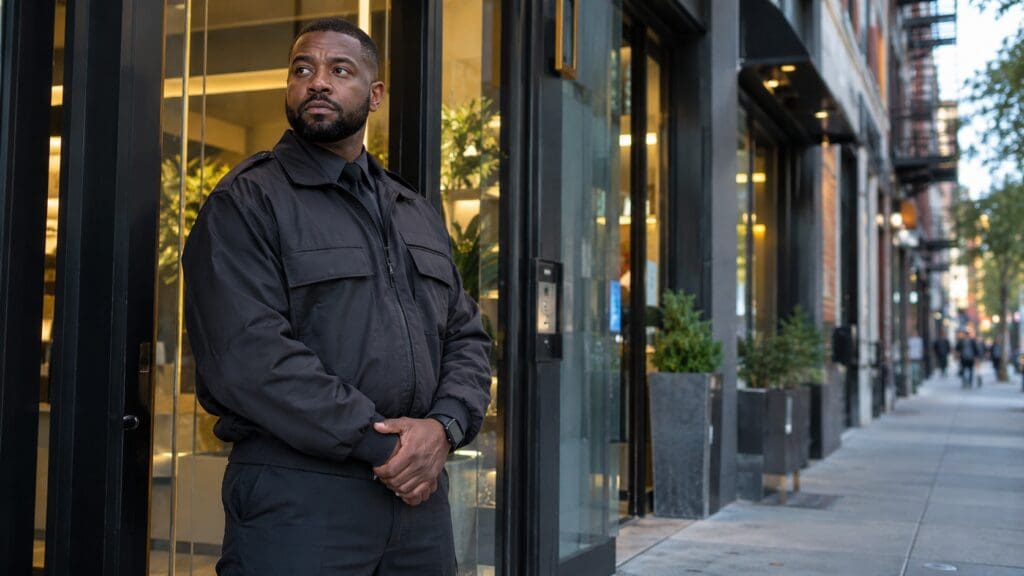
Opening an adult-use cannabis dispensary in Brooklyn is an incredible business opportunity, but navigating the strict legal framework is no easy task. Because cannabis businesses face unique risks—including cash-heavy operations and smash-and-grab threats—the New York Office of Cannabis Management (OCM) enforces heavily detailed security guidelines.
For licensed store owners in neighborhoods like Williamsburg, Flatbush, or Downtown Brooklyn, building an OCM-compliant security plan is mandatory to keep your retail license safe.
Below is a simple, easy-to-understand breakdown of how to meet New York’s strict dispensary security rules while keeping your Brooklyn shop secure.
1. Commercial-Grade Surveillance (24/7 Redundancy)
New York State requires retail dispensaries to maintain high-definition, continuous video surveillance. You cannot simply buy standard off-the-shelf home security cameras. Your system must meet exact operational specifications:
- Continuous Recording: Cameras must record 24/7 in all critical areas, including points of sale (POS), entrance and exit doors, window perimeters, and specialized storage vaults.
- 60-Day Minimum Storage: All surveillance footage must be safely retained for a minimum of 60 days. Security experts often recommend 90 days or cloud-based storage extensions to prevent data gaps.
- Exportable High-Resolution Stills: Cameras must capture facial features clearly, offering still photo capability with permanent, embedded date and time stamps.
- Remote OCM Access: Your digital video recorder (DVR) setup must allow the New York Office of Cannabis Management to log in remotely to review feeds if requested during an audit.
2. Perimeter Alarms and Failure Alerts
Photo:
A proper security blueprint requires responsive commercial alarm monitoring. Brooklyn operators must install:
- Layered Sensors: This includes window/door perimeter contacts, after-hours motion detectors, and acoustic glass-break sensors to stop forced entries.
- The 5-Minute Notification Rule: If your security system fails, goes offline, or loses power, your system must automatically notify a third-party monitoring service or your internal team within 5 minutes of the outage.
- Panic Buttons: Under-counter duress, panic, and hold-up buttons must be strategically placed near cash registers and check-in desks.
3. Strict Safes, Vaults, and Restricted Areas
Keeping your physical cannabis inventory out of sight and secure when the store is closed is a foundational OCM rule.
- Product Storage: When closed, all products must be locked in commercial safes or modular cannabis vaults. High-security TL15 or TL30 safes are standard industry benchmarks to resist heavy tool attacks.
- Visitor Logging: Anyone entering your back-office storage rooms or surveillance rooms who is not an employee must sign a visitor log. You must preserve these visitor records for 5 years.
- No Window Displays: It is completely illegal to display actual cannabis products or visible cannabis packaging in your external storefront windows. Keep your retail windows clear of product merchandise.
4. Power Backups and Environment Maintenance
Security planning also means preparing for unexpected city infrastructure issues:
- 8-Hour Battery Backup: Your perimeter alarms and surveillance cameras must be wired to an uninterruptible power supply (UPS) capable of running the system for at least 8 hours during a blackout.
- Exterior Illumination: The outside perimeter of your Brooklyn storefront must remain brightly illuminated at all hours of the night to deter loitering and vandalism.
- Foliage Management: If your building has a courtyard or sidewalk planters, you are legally required to keep the bushes and trees neatly trimmed so they cannot be used as concealment spots for trespassers.
5. Official Verification Signs & Incident Reporting
Transparency with the state and local community is heavily monitored.
- The Dispensary Verification Tool: New York requires all legal storefronts to post an official dispensary verification sticker directly in the front window. This sticker features a public QR code linking straight to the OCM License Verification Portal, allowing consumers to verify that your business is operating legally.
- 24-Hour Breach Reporting: If your dispensary experiences a break-in, a digital network security breach, or internal product theft, you must notify the OCM within 24 hours of the incident and submit a complete, itemized physical report within 10 days.
Need Help Setting Up Your Security Infrastructure?
Compliance mistakes can delay your grand opening or lead to steep state fines. If you are preparing to launch a cannabis business in Kings County, consult the New York State Cannabis Law Overview or check out comprehensive compliance dashboards provided by operational platforms like Flowhub’s New York Retail Guide to make sure your retail buildout passes its initial inspections perfectly.