How to Build a Hotel Security Plan That Guests Don’t Notice
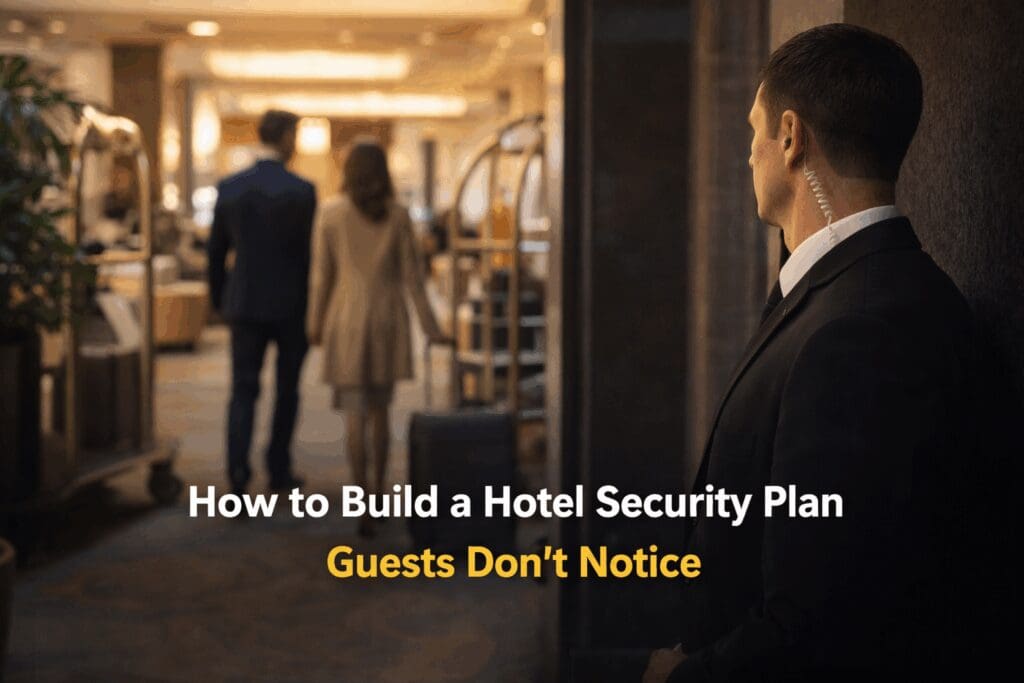
Introduction: The Invisible Shield of Modern Hospitality
In today’s competitive hospitality landscape, guests arrive with an implicit demand: keep me safe, but don’t make me feel like I’m in a fortress. The greatest hotel security plan is the one your guests never actively notice. It’s the seamless, unobtrusive system that provides peace of mind without a hint of anxiety. For hotel owners, property managers, and boutique operators, this is the core challenge. How do you implement robust safety protocols—cameras, access control, staff training—without disrupting the welcoming atmosphere you’ve worked so hard to create? A failed approach either leaves your property vulnerable or makes guests feel watched and uncomfortable, leading to poor reviews and lost business. This comprehensive guide promises a solution, built on recognized industry standards. We will walk you through building a layered, effective, and, most importantly, discreet security strategy. You’ll learn to integrate safety so smoothly into the guest experience that it becomes an invisible asset, boosting both your reputation and your bottom line.
What Is a Hotel Security Plan (And Why It Matters More Than Ever)
A hotel security plan is a formal, documented framework of policies, procedures, and physical systems designed to protect guests, staff, property, and assets. It’s not just cameras and locks. It’s a holistic strategy covering risk assessment, access control, staff protocols, emergency response, and technology.
Why is a proactive plan non-negotiable?
- Guest Trust is Your Currency: Safety is now a top booking factor. A visible, thoughtful security posture builds immediate trust.
- Liability Mitigation: A documented plan is your first line of defense in legal situations, proving due diligence.
- Protecting Reputation: One viral incident can destroy years of brand building. Prevention is priceless.
- Operational Efficiency: Clear procedures reduce chaos during incidents and empower your team.
Ignoring your hotel security management is a risk you simply cannot afford.
Hotel Security Risk Assessment: Identify Your Weak Spots First
You cannot protect what you haven’t identified. Begin your hotel security plan with a thorough risk assessment. This is the critical first step that many properties overlook, leading to wasted resources on the wrong solutions.
Conduct a Physical Walkthrough:
- Exterior: Survey parking lots, landscaping (for hiding spots), perimeter fences, and external lighting.
- Entry Points: Main lobby, service entrances, emergency exits, pool gates. How many are monitored?
- Public Areas: Lobby, corridors, elevators, stairwells, restaurants, gyms.
- Private Areas: Guest room floors, back-of-house, administrative offices, server rooms.
Analyze Your Data:
- Review past incident reports (theft, disturbances, unauthorized access).
- Consult local crime maps for patterns in your area.
- Assess guest demographics—business travelers, families, and event attendees have different risk profiles.
This assessment forms the bedrock of your entire hotel safety and security measures.
How to Build a Hotel Security Plan That Guests Don’t Notice
This is the core of modern hospitality security. The goal is discreet hotel security. Here’s how to achieve it.
Philosophy: Security as Service.
Frame every measure not as a restriction, but as an enhanced service for guest peace of mind. This mindset shift guides all decisions.
The Four Pillars of the Invisible Security Plan:
- Unobtrusive Technology: Use sleek, low-profile cameras. Install smart locks that work via mobile key. Employ environmental sensors (for smoke/water) that are out of sight.
- Trained, Observant Staff: Your team are your best sensors. Training focuses on discreet observation and service-oriented intervention.
- Environmental Design: Use lighting, open layouts, and even pleasant aromas to create spaces where criminal activity feels exposed and unnatural.
- Seamless Access Layers: Guests move freely in their zones; staff access is logged; unauthorized individuals are gently but firmly guided by design and protocol.
Discreet Security Measures That Don’t Ruin the Guest Experience
How to improve hotel security without alarming guests comes down to clever implementation.
- Cameras: Use dome cameras in neutral colors (not glaring black). Place them at entrances, elevator banks, and facing cash points—not directly into guest room doors or private seating nooks.
- Access Control: Ditch obvious key card scanners on every corridor. Use them at exterior doors, elevator activation (for guest floors), and pool areas. For boutique hotels, consider mobile key access via an app.
- Lighting: Implement warm, ample pathway lighting that feels welcoming, not like a prison yard. Motion-sensor lights in low-traffic areas save energy and draw attention to movement.
- Staff Presence: Use “guest service ambassadors†who patrol with a focus on assistance, not suspicion. A staff member refilling coffee in the lobby sees and hears everything.
Hotel Security Checklist for Owners and Property Managers
Use this actionable hotel security checklist to audit and build your plan.
Physical Security & Technology:
- Install a modern hotel surveillance system with high-resolution, low-profile cameras.
- Implement an access control for hotels system (key cards or mobile keys) for all exterior and restricted doors.
- Ensure all perimeter and parking lot lighting is operational and on timers/dusk sensors.
- Install peepholes and deadbolts on all guest room doors.
- Consider a hotel panic button system for front desk and isolated staff areas.
- Secure back-of-house areas, linen closets, and IT servers with separate access logs.
Staff Protocols & Training:
- Develop clear hotel security procedures for front desk (ID verification, key issuance).
- Implement a hotel incident reporting process that is simple and mandatory.
- Conduct regular hotel staff security training on spotting threats, de-escalation, and emergency response.
- Train all staff on how to handle suspicious guests in a hotel using a “service-refusal†script.
Planning & Documentation:
- Complete a formal hotel risk assessment plan document.
- Draft a comprehensive hotel emergency response plan for fire, medical, and security incidents.
- Create a hotel security policy template for new hires and annual reviews.
- Establish a relationship with local police and security service providers.
Access Control for Hotels: Key Cards, Staff Zones, and Smart Locks
Hotel key card security best practices are fundamental. A lost key should not mean a compromised room.
- Encrypted Cards: Use RFID cards that are hard to clone. Never write room numbers on keys.
- Automatic Re-keying: Your Property Management System (PMS) should allow instant re-keying of a lost card, rendering the old one useless.
- Staff Tiered Access: Housekeeping cards work only during shift hours and on assigned floors. Management cards have broader access, all logged.
- The Smart Lock Advantage: For Airbnb property managers, smart locks with unique guest codes eliminate key exchanges and provide an automatic access log—a cornerstone of a hotel security plan for Airbnb.
Where to Place CCTV Cameras in a Hotel (Without Looking Creepy)
This best hotel security cameras placement guide ensures coverage without intrusion.
Must-Have Locations (Discreet):
- All Public Entrances/Exits: Capture every person entering/leaving. Frame to identify faces.
- Front Desk Area: Oversee transactions and protect staff. Coverage should include the cash drawer and lobby line.
- Elevator Interiors and Lobbies: Essential for tracking movement and investigating incidents.
- Hallway Corridors (at intersections): Place cameras at hallway junctions, not staring down the entire corridor of room doors. This provides tracking data without making guests feel watched at their door.
- Parking Lots and Grounds: Cover pedestrian pathways and vehicle entrances. Use well-placed poles or building eaves.
Avoid: Pointing cameras directly at sunbeds, hot tubs, ATM keypads, or anywhere a reasonable expectation of privacy exists.
Front Desk Security Procedures Every Hotel Must Have
The front desk is your security nerve center. Front desk security procedures must be ironclad.
- ID Verification: Always request and scan/photocopy a government ID at check-in. Visually match guest to ID.
- Key Privacy: Never announce the room number aloud. Hand the key envelope over while pointing to the printed number.
- The “No Guest Info†Rule: Staff must never confirm a guest’s name or room number to a third party calling or asking at the desk. Transfer calls to the room directly.
- Visitor Management: After a certain hour (e.g., 9 PM), all visitors to guest rooms should be registered at the front desk.
Training Hotel Staff for Security Without Creating Fear
Hotel staff security training should empower, not frighten. Focus on “See Something, Say Something†within a service context.
- Role-Playing Scenarios: Train staff on how to handle a guest theft report with empathy and a clear procedure.
- De-escalation Techniques: Teach verbal judo to calmly handle intoxicated or angry guests.
- Discreet Communication Codes: Develop a simple radio or code word system to alert management to a potential issue without causing panic (e.g., “Code 10 to the lobbyâ€).
- Regular Refreshers: Conduct brief, quarterly training sessions to keep protocols fresh. How often should hotels train staff? At least annually, with updates after any major incident.
Hotel Emergency Response Plan: What to Do During Incidents
A hotel emergency response plan provides the script when adrenaline takes over. A robust plan must encompass life safety, legal compliance, and clear communication, aligning with best practices for staff safety and emergency preparedness.
Essential Elements:
- Clear Chain of Command: Who is in charge during a fire, medical emergency, or security threat?
- Evacuation Routes and Assembly Points: Maps in every room, clear staff instructions.
- Communication Protocol: How to alert guests (PA system, mobile alert), staff, and emergency services.
- Shelter-in-Place Procedures: For scenarios like severe weather or external threats where evacuation is unsafe.
- Post-Incident Support: How to care for guests and staff after a traumatic event.
Parking Lot and Entryway Security Best Practices
These are your first and last lines of defense. Hotel parking lot security ideas must be robust.
- Lighting: This is your #1 deterrent. Ensure zero dark spots. Use LED lights for brighter, cheaper illumination.
- Clear Signage: “24-Hour Video Surveillance†signs are a powerful psychological deterrent.
- Camera Coverage: License plate capture at entrances/exits, and overview shots of the entire lot.
- Landscaping: Keep shrubs and trees trimmed below 3 feet and tree canopies above 7 feet to eliminate hiding places.
- Patrols: For large resorts or high-risk areas, consider random hotel security guard service patrols to provide a visible, active deterrent.
Hotel Incident Reporting Process and Documentation Tips
A smooth hotel incident reporting process protects you legally and helps spot trends.
- Digital Forms: Use a simple digital form (on a staff tablet/computer) that logs date, time, people involved, witness statements, and actions taken.
- Mandatory Reporting: Make it policy that any unusual incident, no matter how small, is reported.
- Preserve Evidence: Train staff to not delete camera footage or touch potential evidence.
- Follow-Up: Management must review every report, follow up with involved guests, and document the resolution. This turns an incident into a learning opportunity to improve your hotel security plan.
Conclusion: Your Invisible Advantage Awaits
Building a hotel security plan that is both effective and invisible is no longer a luxury—it’s a fundamental requirement for any successful property. From the boutique hotel to the large resort, the principles remain the same: integrate seamless technology, empower your staff with crystal-clear hotel security procedures, and design your space with both comfort and safety in mind. The ultimate goal is to create an environment where guests feel instinctively secure, allowing them to fully relax and enjoy their stay. This invisible shield not only prevents incidents but becomes a powerful marketing tool, generating positive reviews and loyal return guests. Don’t wait for an incident to expose the gaps in your current setup. The time to act is now. A single security lapse can cause irreparable damage to your reputation and finances.
Ready to implement a discreet, comprehensive security strategy that protects your guests and your business? Contact Us today for a confidential consultation and a custom hotel security plan template tailored to your specific property.
FAQs
What should be included in a hotel security plan?
A comprehensive hotel security plan must include a risk assessment, physical security measures (cameras, access control), detailed staff procedures and training manuals, a clear emergency response plan, and an incident reporting protocol. Think of it as the operating manual for every aspect of safety on your property.
How do hotels improve security without upsetting guests?
The key is discreet hotel security. This involves using low-profile technology, training staff in service-oriented observation, implementing smart access control (like mobile keys), and using environmental design (lighting, open spaces) to deter crime naturally without visible, intimidating barriers.
Where should hotels place security cameras?
Essential placements include all entrances/exits, the front desk area, elevator lobbies and interiors, parking lots, and hallway intersections. Crucially, they should be placed to monitor traffic flow and identify individuals without pointing directly at guest room doors or private leisure areas, balancing security with privacy.
What are the best hotel security procedures for front desk staff?
The best front desk security procedures mandate strict ID verification at check-in, never vocalizing room numbers, refusing to give out guest information to callers or visitors, and using a discreet code system to alert management of potential issues. They are the gatekeepers of your property’s security.
How can small hotels improve security on a budget?
Start with the fundamentals: upgrade exterior lighting, implement strict key control policies (a basic hotel security checklist item), conduct regular staff training on awareness, use obvious but inexpensive “Video Surveillance†signage as a deterrent, and perform your own risk assessment to prioritize the most cost-effective fixes first.